


Ever feel like bugs are crawling all over your skin? You’re not alone. Lately, it seems like the world is pressing in from all sides. Social media melodrama, endless dopamine loops, and the same headlines about prices climbing higher while paychecks stay put. Tack on a pandemic hangover that refuses to lift, and it’s no wonder so many of us are running on fumes.
There is hope, though. For all its downsides, the pandemic helped us talk more openly about mental health. Even before COVID-19, studies show that millennials, in particular, are more willing to discuss mental health and to support those who struggle, compared to previous generations. And, as usual, artists are at the forefront of the movement to raise awareness and reduce stigma around mental health.
As Mental Health Awareness Month unfolds, we asked six artists to share how they confront their inner demons, navigate external pressures, and care for their mental well-being.
Rylee Nelson
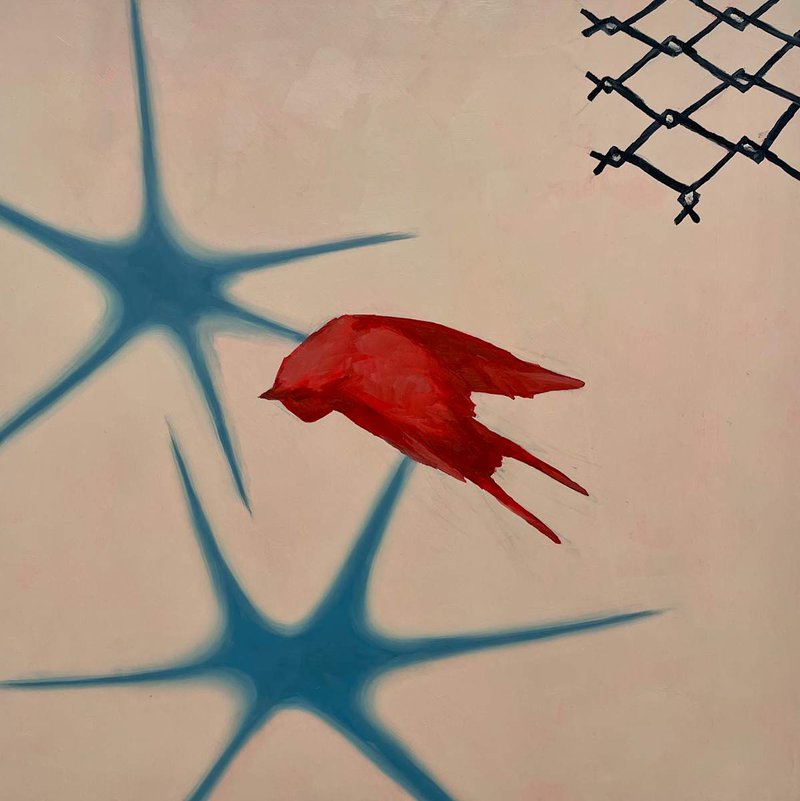
“Go on long drives, especially in the summer (windows down, duh). Driving is my favorite form of self-care; it gives me time to sit with my thoughts, listen to music uninterrupted, and just get out of the norm for a bit. I also make sure to talk with people! It’s easy to isolate yourself as an artist, and keeping a solid community is essential for my mental health.”
Read our interview with Rylee Nelson here.
Grace Netanya

“Have a well-balanced life. It’s really easy as an artist to place your entire identity and sense of fulfillment on your work. There is a stereotype of the ‘obsessed artist’ who stays in their studio, in a creative frenzy, and forgets about the world. This idea is often romanticized, but it’s not healthy. It’s important to invest in interests other than your art. You can’t be an art-making machine, and artists who live interesting lives make more interesting art anyhow!”
Read our interview with Grace Netanya here.
MJ Bentley

“Somatic work and studying are keys to my mental health. Yoga is important to me, as is wellness, meditation, sound baths, and having some level of spirituality.”
Read our interview with MJ Bentley here.
Kenn Kotara
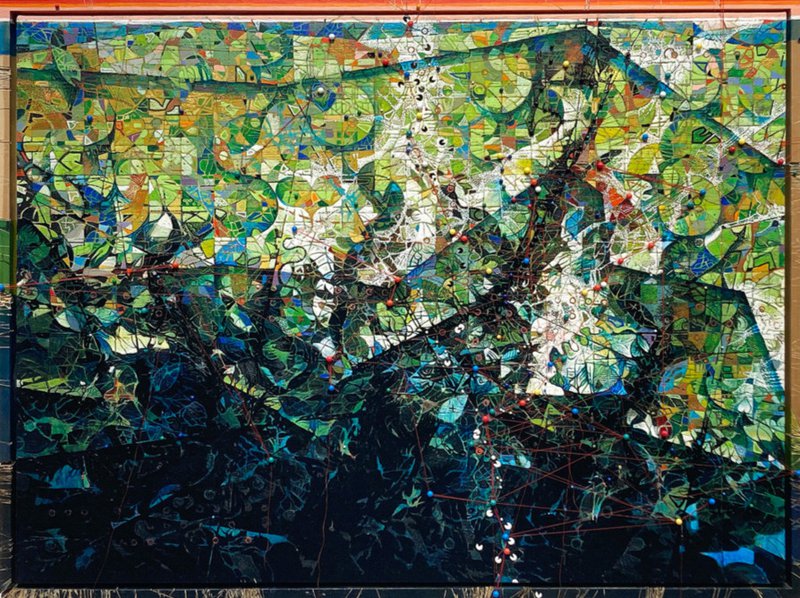
“I work at maintaining a balanced life. My studio practice requires a serious time commitment, both physical and mental. Scheduling downtime, away from the studio, and daily exercise counters the non-stop flow of creative thoughts. Cycling, jogging, and yoga are some of the physical activities, while reading (non-art books), guitar, and meditating fulfill my non-art life.”
Read our interview with Kenn Kotara here.
April Flanders
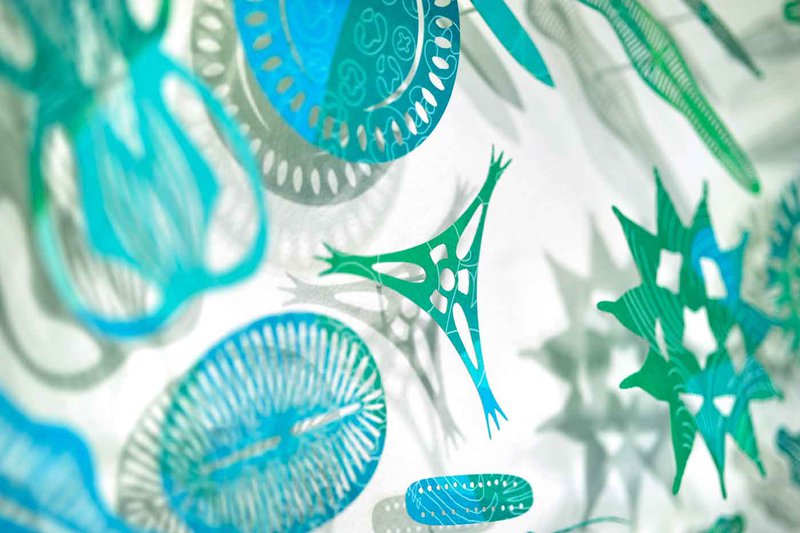
“I exercise regularly and consider it part of my studio practice. I also spend a lot of time outside, and sometimes those things go together in the form of hiking or mountain biking. These things aren't optional for me. I have to do them in order to function and in order to create work.”
Read our interview with April Flanders here.
Erin Naifeh
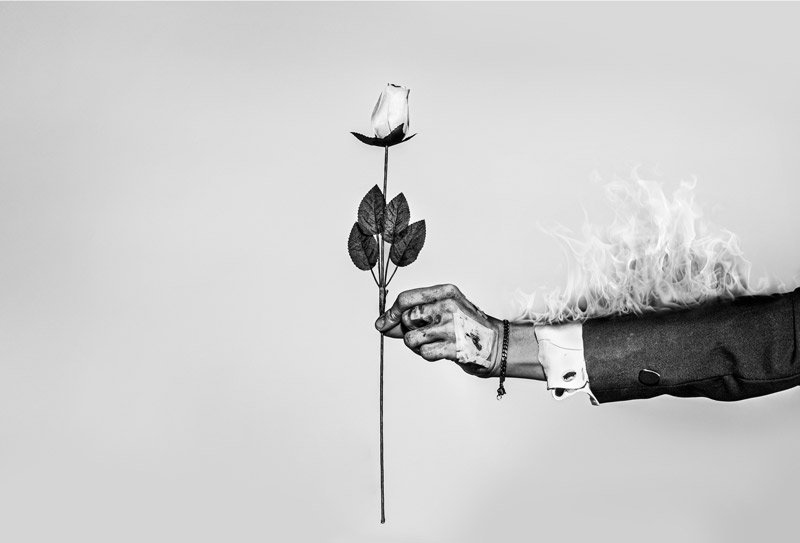
“I regularly go to an amazing hypnotherapist, Donessa Alexander. I’ve been going since 2020. It has completely changed my life in the best way. I am so incredibly grateful for her and the journey. I have so many tools now that I use to feel and heal. On this journey, I realized how important it is to feel your feelings without resistance. That is what Donessa teaches you. I’m appreciative when any emotion arises, even the heavy ones, because I get to clean and heal it. And be free.”
Read our interview with Erin Naifeh here.
Mpumelelo Buthelezi
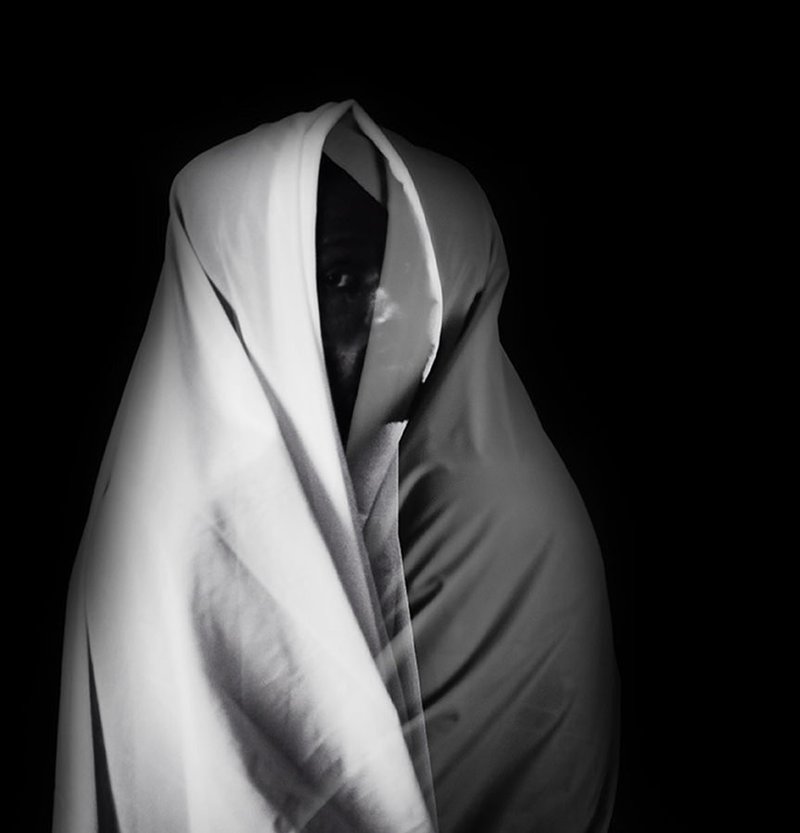
“Constantly validating my self-introspection by distancing [myself] from art entirely, taking breaks from social media, reading books, keeping tabs with my family and loved ones, and forever listening to good music. And that works for me, I must say.”
Read our interview with Mpumelelo Buthelezi here.
Megan Morgan

“Walk, run, and make time for art, family, and friends.”
Read our interview with Megan Morgan here.
Nikki Painter
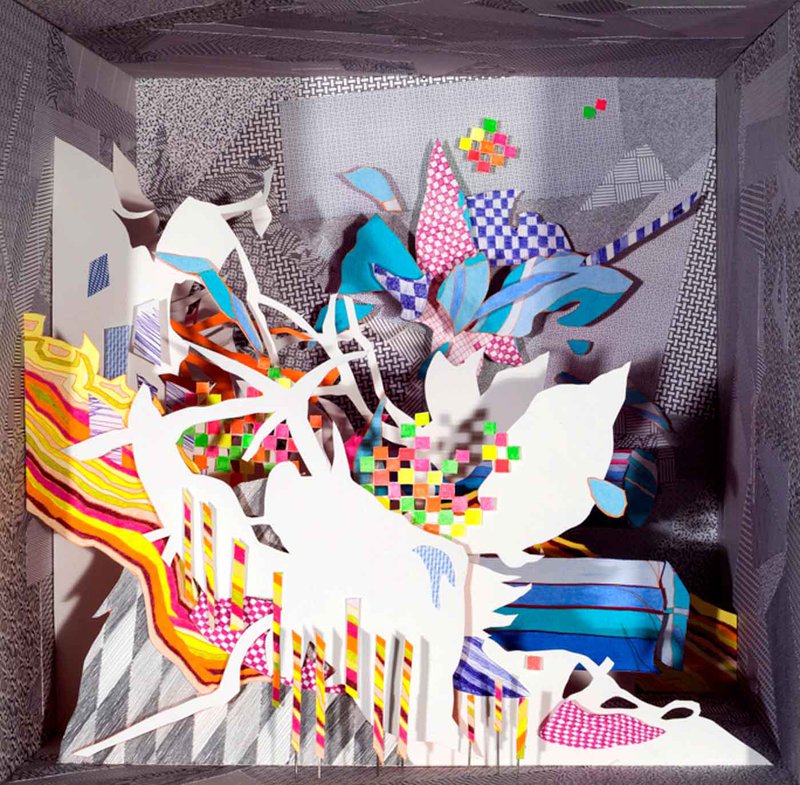
“I have dealt with depression off and on, and my most effective way of combating it has usually been to get productive in the studio. A few other things I use for self-care include checking in with family and friends, regular exercise, establishing a routine (this includes celebrating the completion of small tasks, which can be anything, including something like emptying the dishwasher), and focusing my thoughts toward gratitude, either through journaling or a few minutes of concentration/meditation.”
Read our interview with Nikki Painter here.
Ibuki Kuramochi
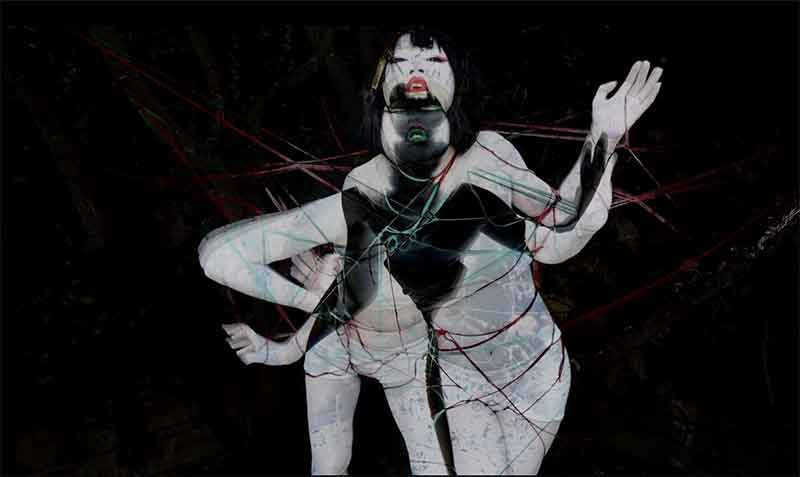
“Exercise, stretching, and muscle training. My work is made up of physicality. It does not begin without the body. There is art that begins with the body, and the body and mind are connected.”
Read our interview with Ibuki Kuramochi here.
Quotes have been edited for length and clarity. All photos published with permission of the artist(s). Featured artwork: ‘Eclipse’ by Grace Netanya.